
Research
I study how behavioral constraints and program delivery shape economic outcomes in poverty, using randomized field experiments in Sub-Saharan Africa. Recent work also examines how artificial intelligence is reshaping labor markets and hiring.
Peer-Reviewed Journal Articles
- Understanding Social Protection in Vulnerable Regions: Evidence from Ethiopia's PSNP. Zelalem Lijalem Assefa, Hang Yu. China Economic Journal, 19(1): 88–103 . 2026.
[more][less]
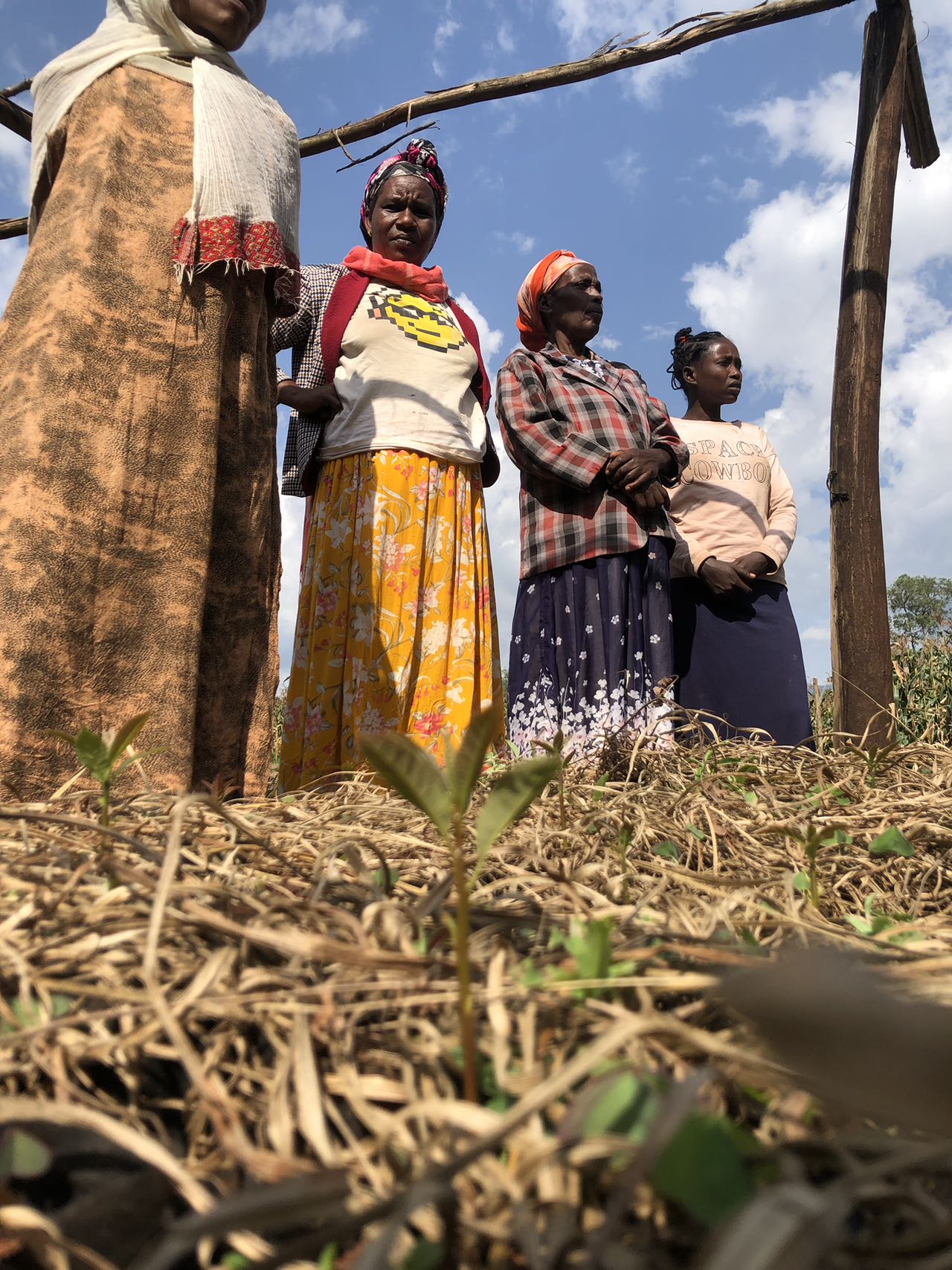
Using original household panel data (2016–2021) and a doubly robust difference-in-differences design, we evaluate Ethiopia's Productive Safety Net Program — one of Africa's largest anti-poverty programs. PSNP improved dietary diversity and asset accumulation, but seasonal food shortages persisted, partly due to recurrent delays in transfer disbursement during civil conflict and administrative restructuring. Complementary qualitative interviews connect the quantitative evidence to institutional realities on the ground. The finding reinforces a central theme: program effectiveness depends critically on implementation capacity and delivery timing, not just design.
- Financial Sector Development and Industrialization: Lessons and Prospects for Ethiopia. Hang Yu, Jiaqi Zhao. China Economic Journal, 17(2): 300–321 . 2024.
[more][less]

This policy-oriented study examines how financial sector development has historically supported — or constrained — industrialization in Ethiopia, drawing comparative lessons from East Asian development experiences. It considers whether state-led financial deepening strategies can be effectively adapted to Sub-Saharan African economies pursuing industrialization under capital-scarce conditions. The work contributes to a broader research program on the local economic and social impacts of foreign-financed development cooperation in Africa, where institutional capacity and delivery infrastructure often determine whether external resources translate into sustained economic growth.
- Correcting Misperceptions about Support for Social Distancing to Combat COVID-19. James Allen IV, Arlete Mahumane, James Riddell IV, Tanya Rosenblat, Dean Yang, Hang Yu. Economic Development and Cultural Change, 73(1): 221–242 . 2024. replication
[more][less]
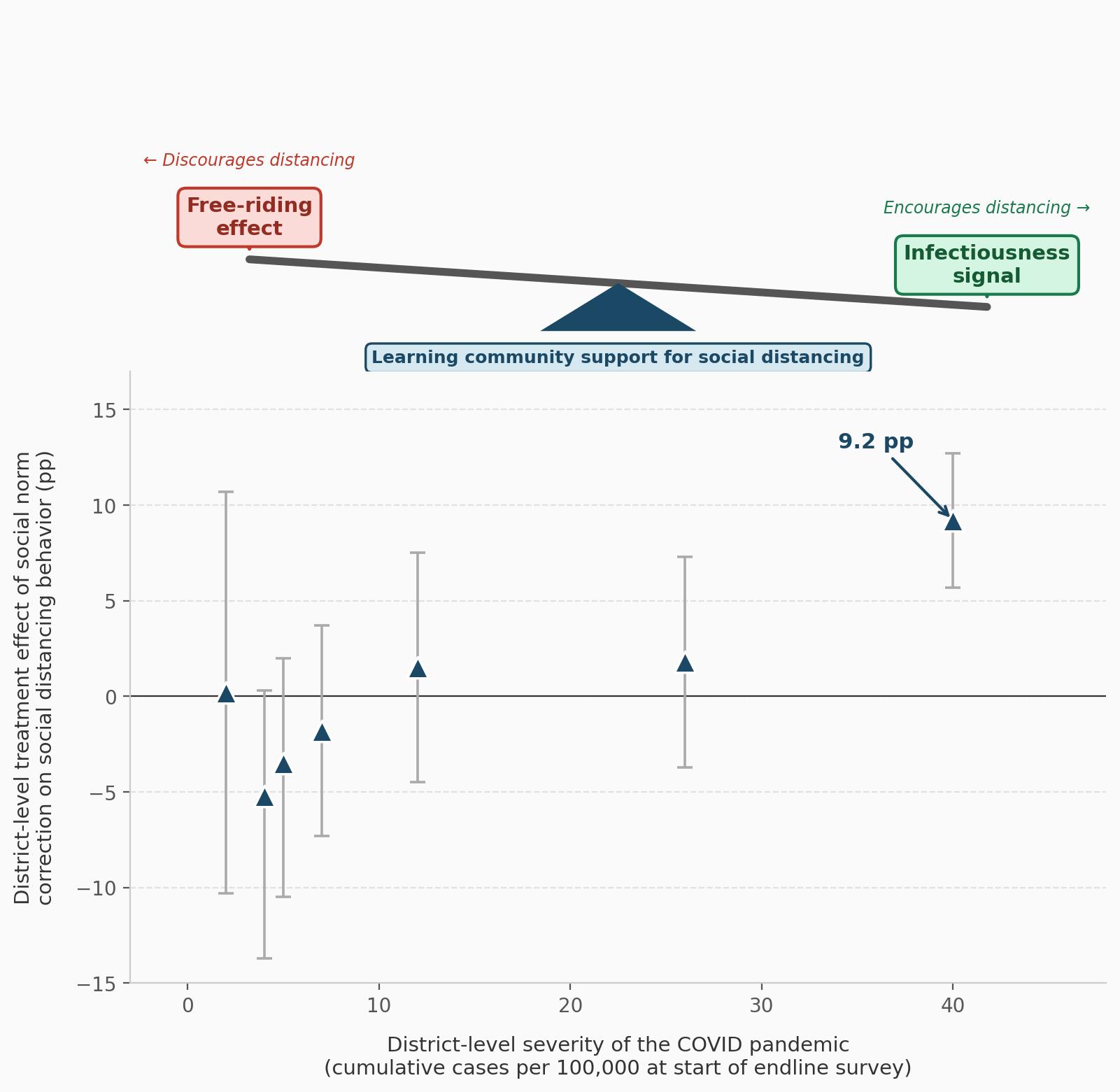
Households in Mozambique systematically underestimated community support for social distancing during the early COVID-19 pandemic. A randomized experiment corrected these misperceptions, but in contrast to correcting static stigma beliefs, the COVID environment involves greater strategic uncertainty. A model separating free-riding from disease-risk signaling predicts that treatment effects should concentrate in high-infection areas — and the data confirm: distancing rose by 70 percent in the hardest-hit districts, with modest effects elsewhere. The results clarify when correcting social misperceptions can shift health behavior and when they cannot.
- Social Stigma as a Barrier to HIV Testing: Evidence from a Randomized Experiment in Mozambique. Hang Yu. Journal of Development Economics, 161: 103035 . 2023. VoxDev article
[more][less]
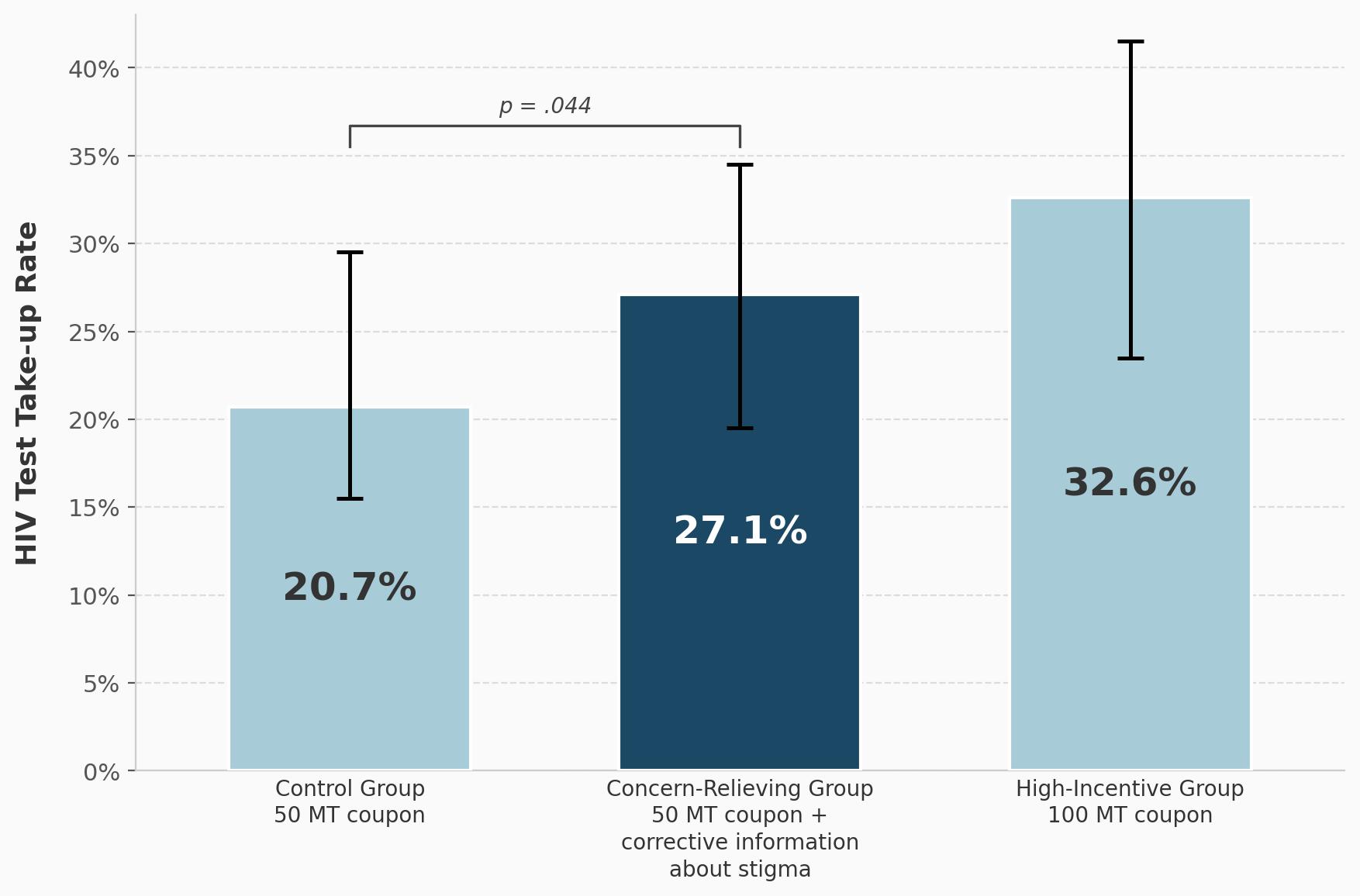
Why does HIV testing remain far below global targets when testing is free? Individuals in Mozambican communities systematically overestimate how much their neighbors stigmatize people living with HIV, even as actual stigma has declined. A three-arm randomized experiment shows that correcting this misperception raised testing by 36 percent — comparable to a cash incentive exceeding half the daily cost of living. By isolating misperceived social norms as a first-order demand-side constraint on health investment, the study shows that behavioral frictions — not just financial barriers — shape health behavior in low-income settings.
- Knowledge, Stigma, and HIV Testing: An Analysis of a Widespread HIV/AIDS Program. Dean Yang, James Allen IV, Arlete Mahumane, James Riddell IV, Hang Yu. Journal of Development Economics, 160: 102958 . 2023. replicationVoxDev article
[more][less]
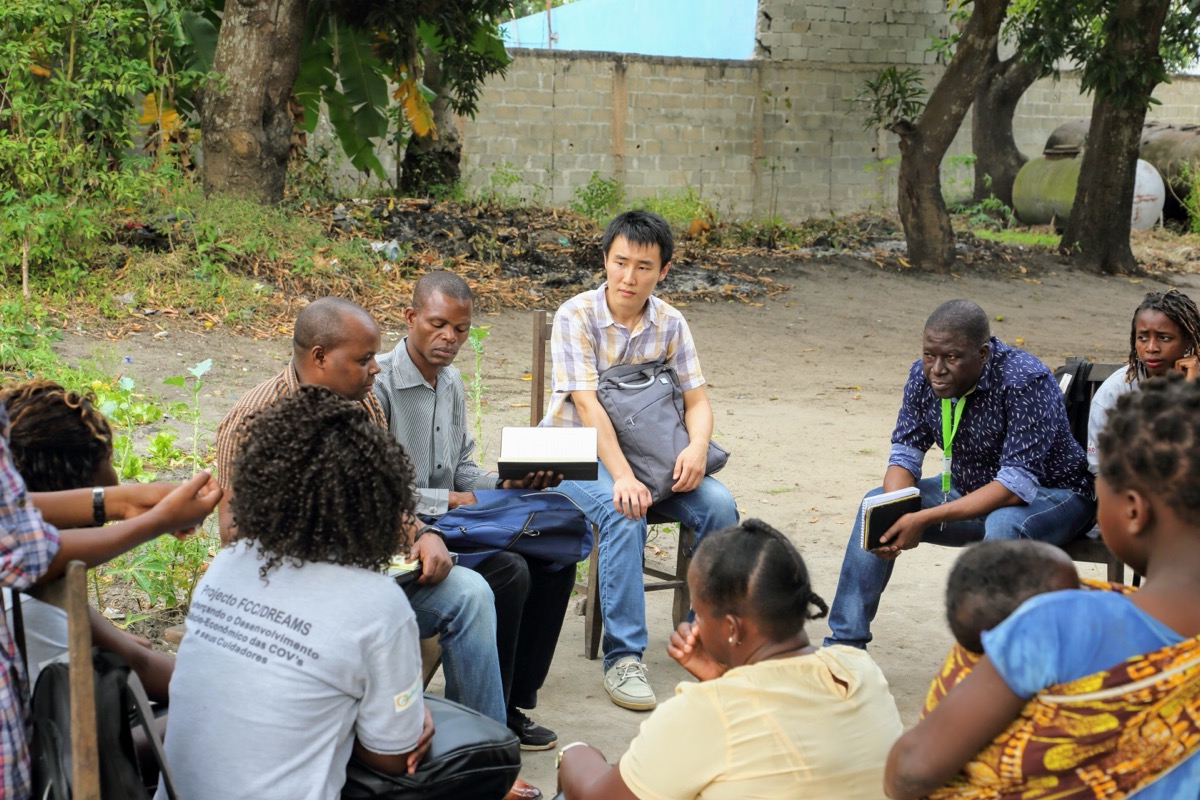
This study evaluates a major PEPFAR-funded program for orphans and vulnerable children in Mozambique using a multi-stage randomized design. Contrary to its objective, the program reduced HIV testing by 10.9 percentage points, because frontline implementation inadvertently spread transmission myths and amplified stigma concerns. Mini-interventions correcting these distortions at endline fully restored testing rates — causal evidence that implementation biases are diagnosable and repairable. The finding highlights how delivery systems and frontline personnel determine whether well-designed programs ultimately succeed or fail in practice.
- Teaching and Incentives: Substitutes or Complements?. James Allen IV, Arlete Mahumane, James Riddell IV, Tanya Rosenblat, Dean Yang, Hang Yu. Economics of Education Review, 91: 102317 . 2022. replication
[more][less]
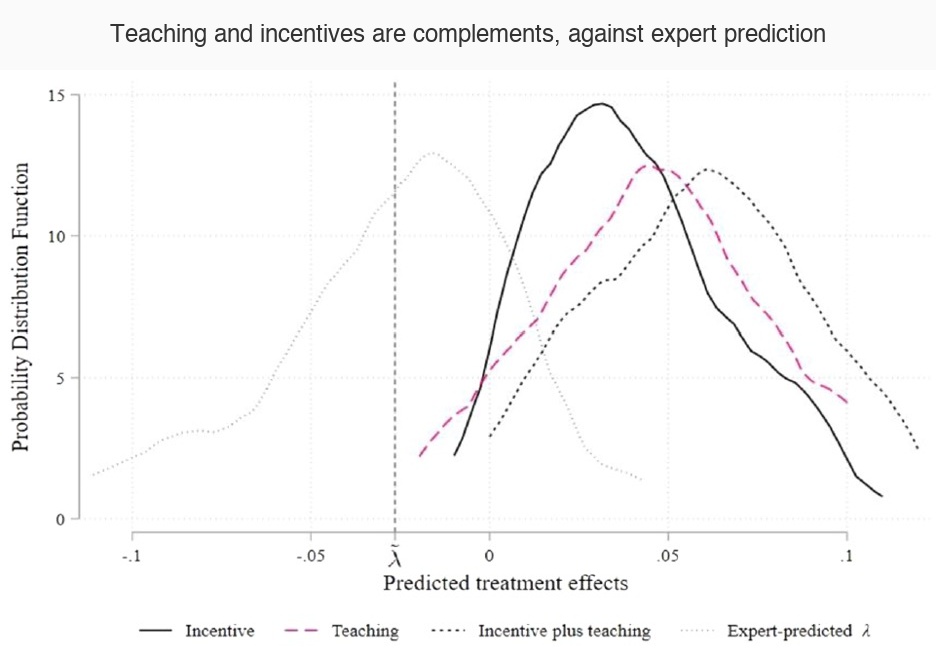
Do teaching and financial incentives substitute or complement each other in promoting learning? In a phone-based RCT with 2,117 Mozambican adults during COVID-19, combining tailored teaching with small financial rewards raised health knowledge by 0.5 standard deviations — 31 percent more than the sum of standalone effects — and gains persisted nine months later. Contrary to 81 percent of surveyed experts, teaching raises the return to effort. The study clarifies how poor households allocate effort to learning under uncertainty, with implications for designing cost-effective public health information policies.
In Chinese
- The Measurement of AI Exposure and Its Impact on Labor Demand in China: Evidence from Large Language Models. Dandan Zhang, Hang Yu, Lixing Li, Jiayin Hu, Yiqing Mo, Hongbo Li. Management World (管理世界), 41(07): 59–75 (in Chinese) . 2025. datadocs
[more][less]
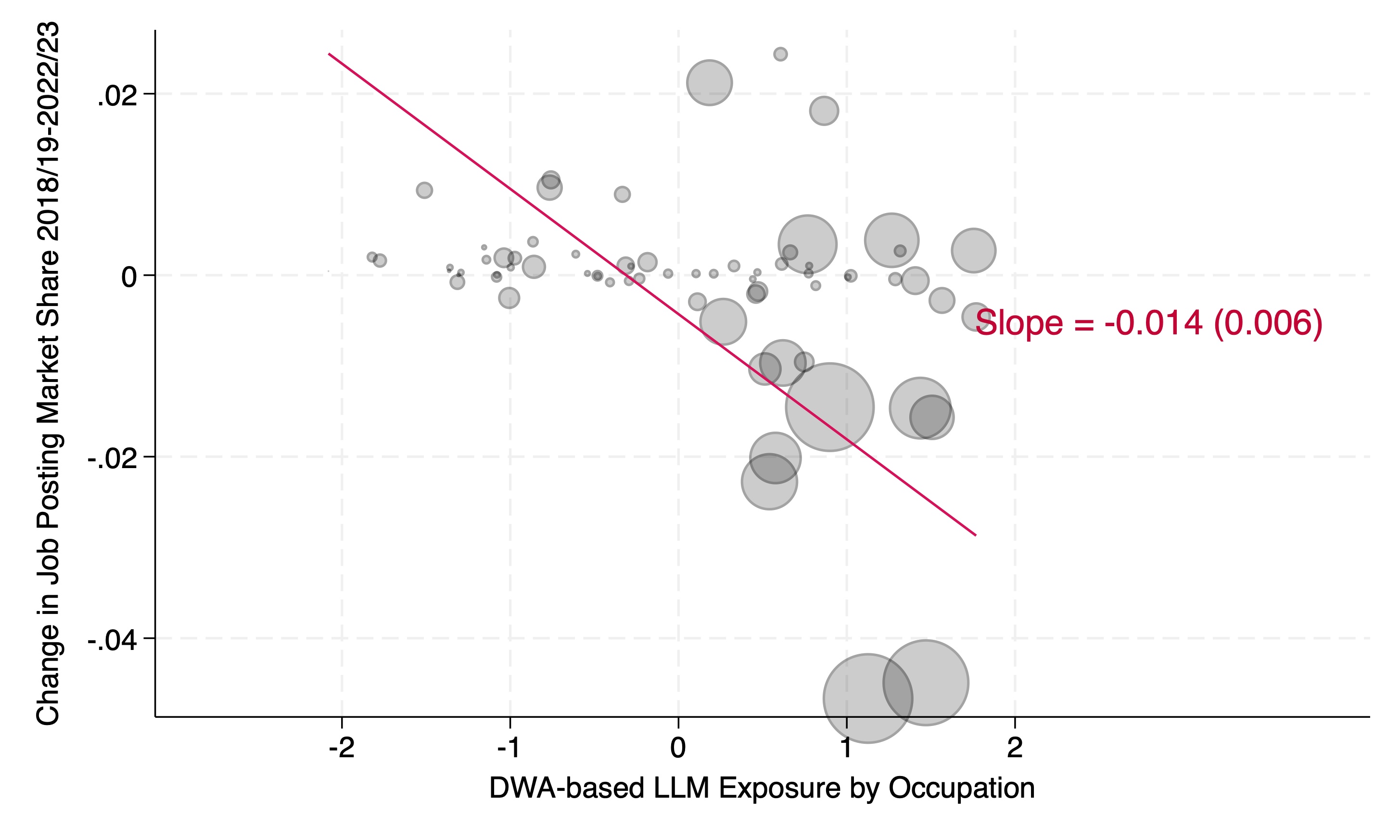
Using 1.25 million online job postings (2018–2024), we develop a task-based measure of occupational exposure to large language models tailored to the Chinese labor market. After 2022, high-exposure occupations experienced declining market share, rising requirements for education and experience, and increased within-occupation inequality — consistent with substitution pressures during an early period of AI adoption. These findings contrast with more muted U.S. evidence, highlighting how institutional context shapes technology's labor market impact. The publicly available AI exposure index provides new tools for studying how AI transforms labor demand.
Edited Volumes
- Conflict and Development: Political, Economic, and Social Studies of Ethiopia. Peking University Institute of South–South Cooperation and Development, Belt and Road Research Group (contributing author). Beijing: Xinhua Publishing House. ISBN 978-7-5166-7725-4 (in Chinese) . 2024.
Working Papers
- When Incentives Aren't Enough: Evidence on Inattention and Imperfect Memory from HIV Medication Adherence. Hang Yu ⓡ Jared Stolove ⓡ Dean Yang ⓡ James Riddell IV ⓡ Arlete Mahumane. Working paper . 2026. ClinicalTrials.govAEA registry
[more][less]
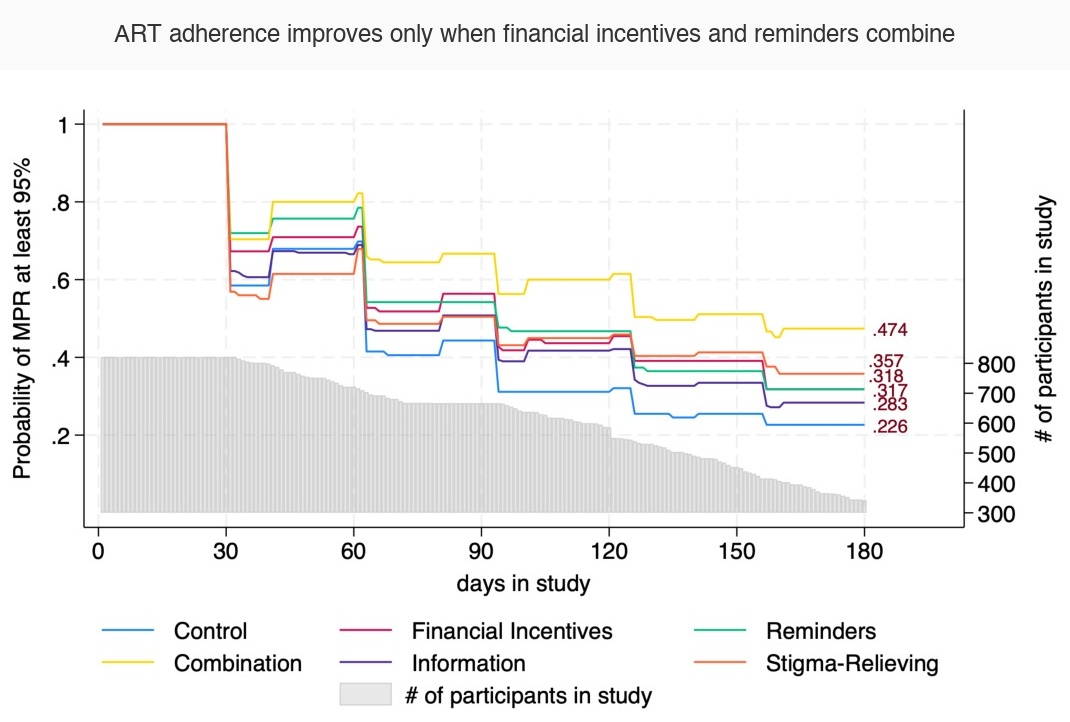
In a multi-arm RCT with over 800 newly diagnosed HIV patients in Mozambique, incentives alone raised antiretroviral therapy adherence by 10.6 percentage points, but pairing them with reminders — which reduce inattention and imperfect recall of payment eligibility — raised adherence by 24.3 percentage points. Pharmacy refill-timing data validate a model in which inattention and imperfect memory dampen incentive effectiveness. The results show that demand-side behavioral frictions go beyond static beliefs: dynamic constraints on attention and memory shape everyday health decisions.
- Artificial Intelligence and the Alleviation of Labor Market Mismatch: Evidence from Online Job Matching Data. Hang Yu, Hongbo Li, Dandan Zhang, Runbo Zhang, Qiang Li. Conditionally accepted at China Economic Quarterly (in Chinese) . 2026.
[more][less]
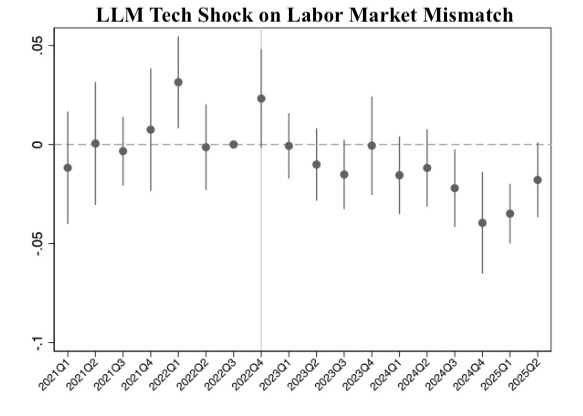
Using 1.62 million matched vacancy–applicant observations from a major online recruitment platform, we refine an occupation-level AI-LLM exposure index, construct measures of vertical (education) and horizontal (field-of-study) mismatch, and apply difference-in-differences and event-study designs. Overall mismatch increased after 2021, but following the technological shock associated with ChatGPT, vertical mismatch declined in occupations with higher LLM exposure — accompanied by more precise vacancy signals, higher skill requirements, and educational thresholds. The results provide vacancy–applicant evidence on how AI improves labor market matching efficiency.
- Livelihoods and Recovery After Cyclone Idai: Short- and Long-Run Household Evidence from Mozambique. James Allen IV, Hang Yu. Working paper . 2025.
[more][less]
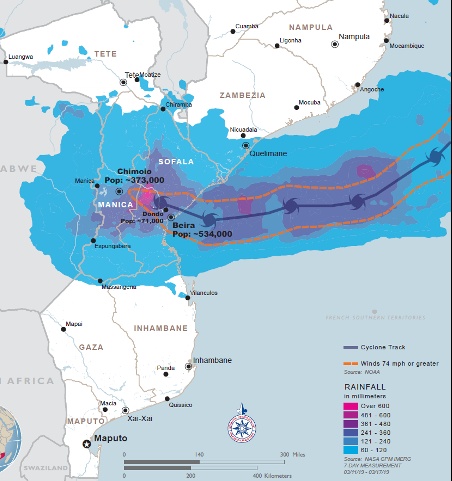
Do natural disasters generate persistent welfare losses or trigger adaptive occupational reallocation? Combining satellite-based best-track data on Cyclone Idai — one of Mozambique's most destructive disasters — with longitudinal household surveys, we exploit spatial variation in wind speed for causal identification. More heavily exposed households shifted from agriculture toward non-farm activities — small business, waged employment, and remittance-linked income — with greater use of the financial system. The findings illuminate how behavioral constraints and institutional capacity shape household responses when large shocks disrupt existing economic arrangements.
Selected Works in Progress
- Returns to Information in Hiring for Health Service Delivery. Dean Yang, James Allen IV, Tanya Rosenblat, João Manuel, James Riddell IV, Basit Zafar, Hang Yu. AEA registry
[more][less]
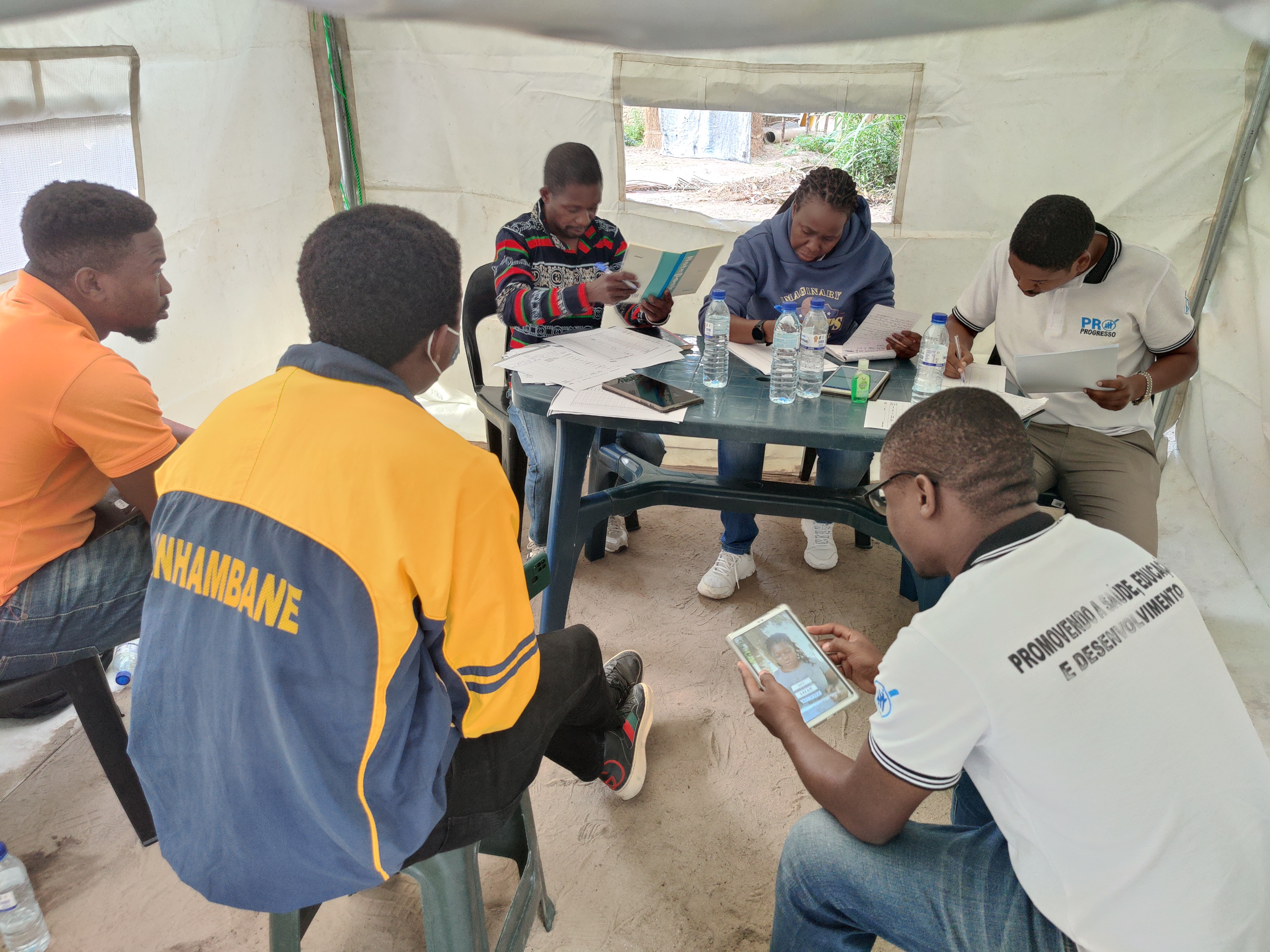
How should community health workers be selected? This randomized experiment across 59 neighborhoods in Mozambique varies the information available to hiring committees — from minimal qualifications, to interviews, to full trial-period performance — and measures impacts on HIV testing and ART refills using clinic records. By treating frontline hiring as a screening problem under information constraints, the study directly links supply-side labor selection mechanisms to service delivery quality, moving from diagnosing implementation biases to improving the personnel systems that produce them.
- Training, Work Experience, and Labor Market Outcomes in Mozambique. James Allen IV, Tanya Rosenblat, Dean Yang, Basit Zafar, Hang Yu. AEA registry
[more][less]
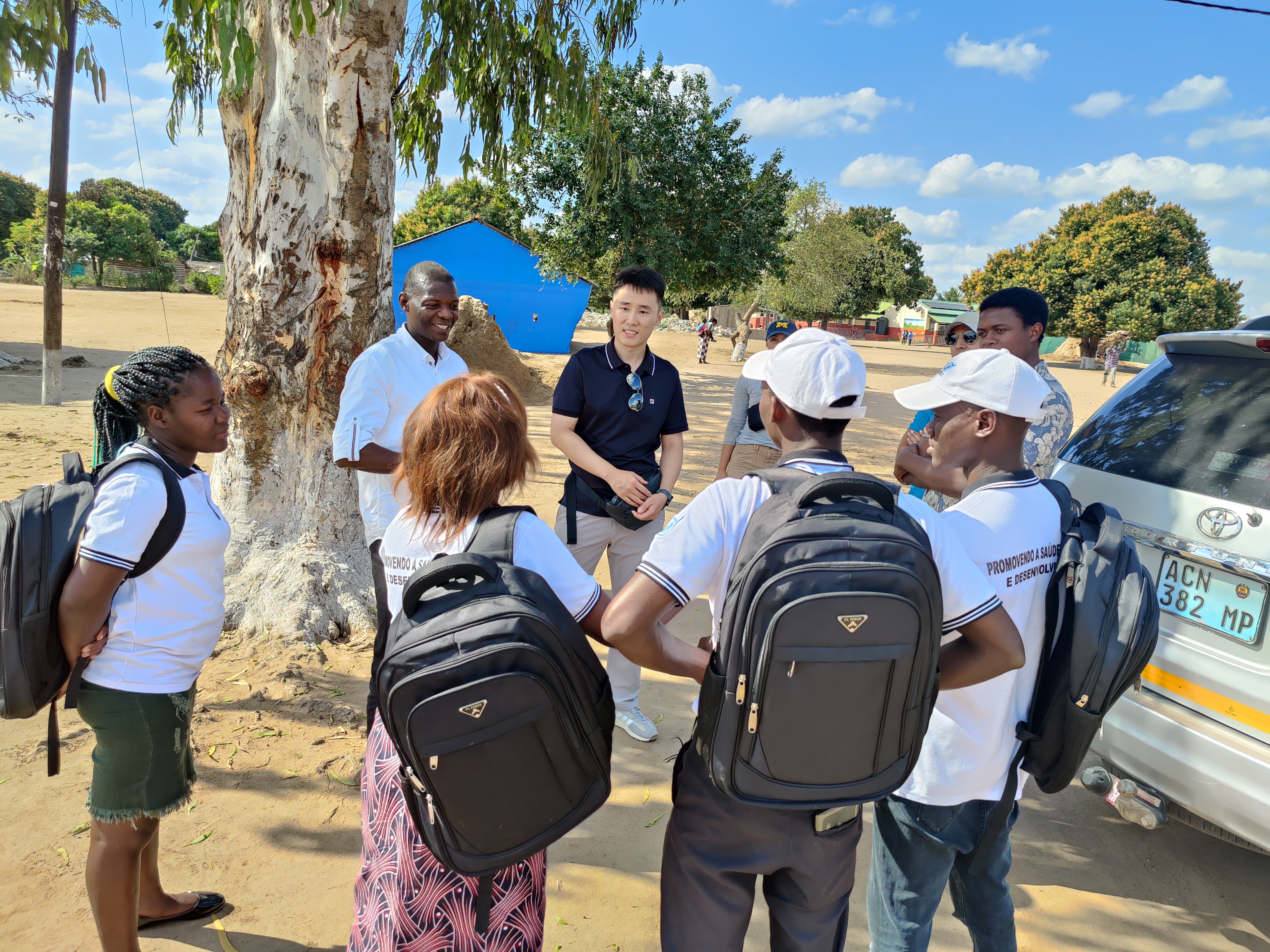
Development programs not only deliver services — they also shape the human capital and labor market prospects of the frontline workers they employ. This study follows candidates from the Mozambican health promoter hiring experiment to trace how short-term training, job offers, and certification affect their subsequent employment trajectories. Exploiting experimental variation in these labor market experiences, the study examines whether program participation builds durable human capital or merely provides a temporary employment opportunity. The work highlights personnel systems as central determinants of both service delivery quality and economic outcomes for disadvantaged youth in low-income settings.